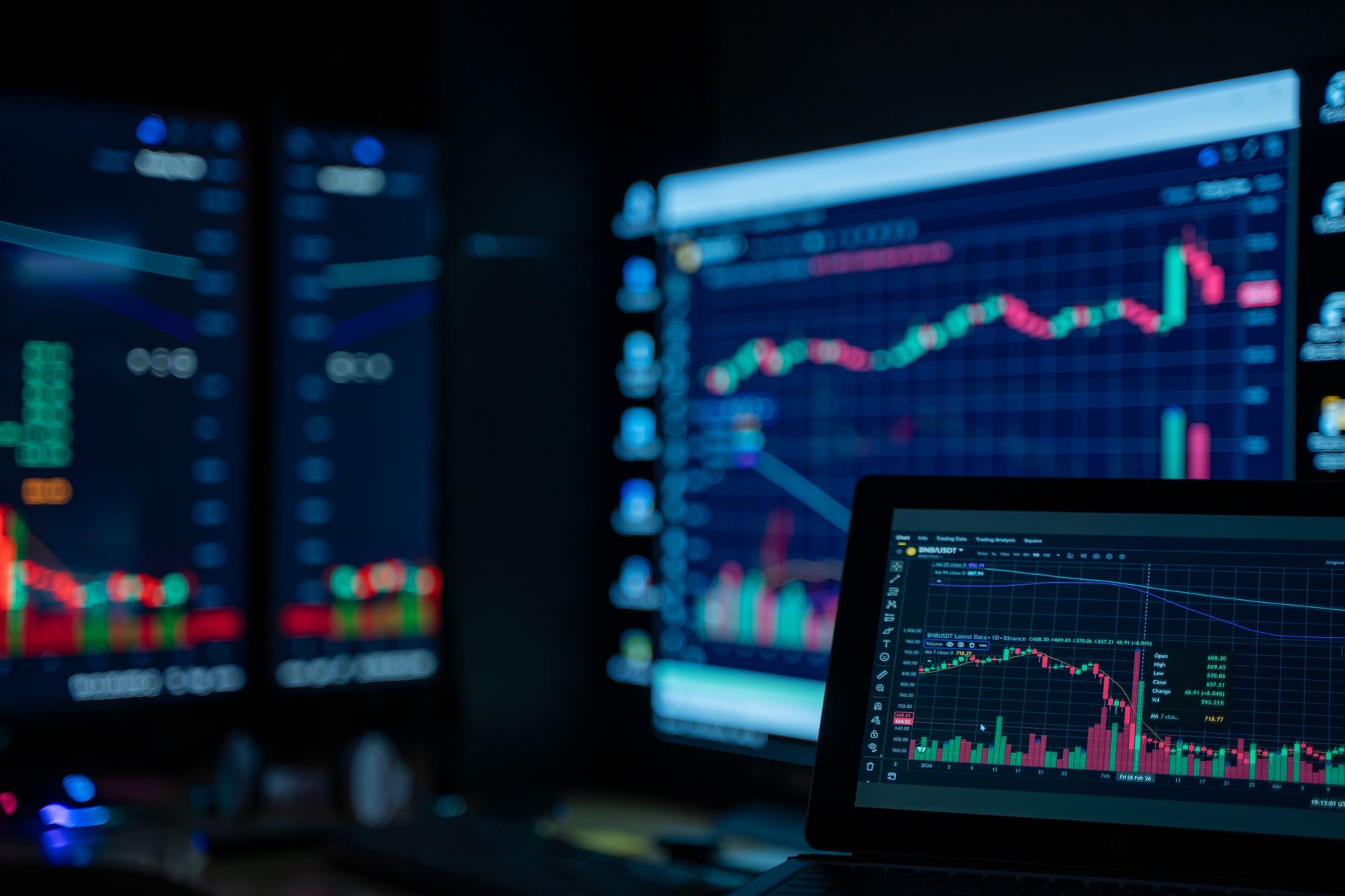
Wall Street trade is currently facing significant volatility, particularly after Nvidia’s unexpected slip due to CEO Jensen Huang’s departure. Investors are reacting to this news, leading to a mixed trading environment.
Understanding Wall Street’s Current Volatility
The current volatility on Wall Street has left investors grappling with uncertainty as the market experiences one of its most challenging periods. The recent turmoil has been exacerbated by a significant drop in Nvidia’s stock following the unexpected departure of CEO Jensen Huang, which sent shockwaves through the technology sector.
In this unpredictable environment, understanding market dynamics is crucial. Analysts point to several factors contributing to the choppy trade:
- Economic Data Releases: Recent reports on inflation and employment have created mixed signals, leaving traders in a state of flux.
- Interest Rate Speculation: Ongoing debates around the Federal Reserve’s potential interest rate adjustments have fueled uncertainty in investor sentiment.
- Global Events: Geopolitical tensions and supply chain disruptions continue to impact market stability, further complicating the landscape for traders.
As Wall Street grapples with these challenges, investors are encouraged to focus on proven insights and strategies to navigate the market’s ups and downs. Staying informed and agile is key to making sound investment decisions during these turbulent times, as the landscape remains highly unpredictable.
Impact of Nvidia’s CEO Departure
The recent departure of Nvidia’s CEO, Jensen Huang, has sent shockwaves through the financial markets, impacting Wall Street trade significantly. Investors expressed concern over the future direction of the company, a key player in the semiconductor industry.
As Nvidia’s stock experienced a considerable decline, analysts pointed out several factors contributing to the heightened volatility on Wall Street:
- Leadership Changes: Huang’s exit raises questions about the company’s strategic vision and operational stability.
- Market Reactions: The sudden drop in Nvidia’s shares has led to a broader sell-off in technology stocks, further exacerbating the choppy market conditions.
- Investor Sentiment: The uncertainty surrounding Nvidia’s future has led to increased caution among investors, resulting in fluctuating stock prices across various sectors.
- Sector Performance: With technology stocks facing pressure, other sectors are also feeling the impact, leading to a mixed performance on Wall Street.
In light of these developments, experts emphasize the importance of staying informed and adapting to the shifting landscape of Wall Street trade. The turbulence sparked by Nvidia’s CEO departure serves as a reminder of how quickly market dynamics can change, underscoring the need for strategic decision-making.
Market Reactions to Choppy Trading
The recent Wall Street trade has been characterized by significant fluctuations as investors react to various signals within the market. As trading sessions unfold, the sentiment has shifted rapidly, reflecting a broader uncertainty that has gripped investors.
Analysts have noted several key factors contributing to this choppy trading environment:
- Investor Sentiment: The departure of Nvidia’s CEO has left many questioning the stability of tech stocks, leading to a ripple effect across the market.
- Economic Indicators: Mixed economic data, including inflation rates and employment figures, have further complicated trading strategies.
- Geopolitical Tensions: Ongoing global issues have also played a role, with many traders feeling uncertain about potential impacts on domestic markets.
As traders navigate through these turbulent waters, insights from market experts suggest that understanding the underlying trends is crucial. “In times of volatility, staying informed is key,” stated a leading financial analyst. “Knowing when to hold or sell can make a significant difference.”
Overall, the current Wall Street trade reflects a blend of caution and opportunism, as investors aim to find stability amidst the chaos, hoping to capitalize on potential rebounds as conditions evolve.
Investing Strategies in Uncertain Times
In the face of unpredictable market movements, investors are seeking strategies to navigate the tumultuous landscape of Wall Street trade. With volatility becoming a common theme, adopting a proactive approach is essential.
One effective strategy is to focus on diversification. By spreading investments across different sectors, investors can mitigate risks associated with sudden downturns. This method not only protects against losses in a single area but also positions portfolios to benefit from gains in others.
Another approach is to employ value investing, where investors identify undervalued stocks that have the potential to rebound. During choppy trading periods, these stocks often present opportunities for long-term growth, offering a buffer against market fluctuations.
Additionally, maintaining a long-term perspective is crucial. Short-term market noise can lead to impulsive decisions; therefore, staying committed to a well-thought-out investment plan can yield better results over time.
Lastly, utilizing stop-loss orders can help investors protect their capital. By setting predetermined sell points, investors can limit potential losses during sudden market swings.
In conclusion, as Wall Street continues to experience choppy trade, employing these investing strategies can provide valuable insights and help navigate the uncertainties ahead.
Historical Context of Wall Street Fluctuations
The fluctuations observed in Wall Street trade are not new; they have a long history characterized by periods of extreme volatility. Understanding this historical context is crucial for grasping the current market landscape.
In the early 2000s, the burst of the dot-com bubble led to significant declines in tech stocks, mirroring the current trends following Nvidia’s recent challenges. This era highlighted how investor sentiment could rapidly shift, causing choppy markets as traders reacted to news and speculation.
Similarly, the 2008 financial crisis showcased the profound impact of economic factors on Wall Street. As banks faltered and consumer confidence dwindled, markets experienced unnerving swings. Such events serve as reminders that while the market can be unpredictable, it often follows patterns influenced by broader economic conditions.
Moreover, the COVID-19 pandemic introduced unprecedented volatility, with markets plunging and rebounding within days based on evolving information about the health crisis. These historical instances illustrate that Wall Street trade is often a reflection of both internal and external pressures.
Understanding these past episodes of fluctuation can provide valuable insights for investors navigating the current choppy environment. By analyzing patterns and responses, traders can better anticipate movements and recalibrate their strategies accordingly.
Expert Opinions on Current Market Trends
Experts are weighing in on the current conditions of Wall Street trade, which has been marked by heightened volatility and uncertainty. Many analysts are expressing concerns over the potential long-term impacts of the recent fluctuations.
According to Jane Doe, a financial analyst at Capital Insights, “The recent turbulence in the market reflects broader economic uncertainties. Investors are grappling with potential interest rate hikes while trying to navigate choppy trading conditions.” This sentiment is echoed by others in the field, who highlight the challenges that both seasoned and novice investors face.
Another expert, John Smith, a market strategist, notes, “With the departure of Nvidia’s CEO, we are witnessing how quickly market sentiment can shift. The stock’s decline is a stark reminder of how interconnected companies are within the tech sector, influencing overall Wall Street trade.”
Moreover, Linda Green, a portfolio manager, suggests that diversifying investments could be a prudent strategy during such uncertain times. “Investors may need to reassess their portfolios and consider sectors that historically perform well during downturns,” she advises.
As Wall Street continues to grapple with these challenges, it remains essential for investors to stay informed and agile in their decision-making processes.
Future Outlook for Investors
As Wall Street trade continues to navigate the turbulence caused by recent events, investors are left pondering the future landscape of the market. The choppy conditions witnessed over the past few weeks have raised questions about how to adapt and thrive in this unpredictable environment.
Experts suggest that, despite the current volatility, there are still opportunities for strategic investments. Some key considerations for investors looking ahead include:
- Diversification: Spreading investments across various sectors can mitigate risks associated with sudden market shifts.
- Long-term Vision: Focusing on long-term performance rather than reacting to short-term market fluctuations may yield better results.
- Research and Analysis: Thoroughly understanding market trends and company fundamentals is crucial to making informed decisions.
- Staying Informed: Keeping up with news and expert analyses can provide valuable insights into potential market movements.
While the immediate outlook remains uncertain, investors who remain vigilant and adaptable are likely to find paths to success even in a choppy trading environment. Ultimately, the ability to learn from past experiences and apply proven strategies will be essential as Wall Street continues to evolve.
Tips for Navigating Market Instability
As investors grapple with the unpredictable nature of Wall Street trade, navigating market instability can seem daunting. However, there are several strategies that can help individuals manage their portfolios effectively during turbulent times.
- Diversify Your Investments: Spreading your investments across various asset classes can reduce risk. Consider including stocks, bonds, and alternative investments to create a balanced portfolio.
- Stay Informed: Keeping up with the latest financial news and market trends is essential. Understanding the factors driving volatility, such as corporate leadership changes like Nvidia’s recent CEO departure, can provide valuable insights.
- Set Clear Goals: Determine your investment objectives and risk tolerance. Having a clear plan helps to avoid emotional decisions during market swings.
- Consider Dollar-Cost Averaging: This strategy involves investing a fixed amount regularly, regardless of market conditions. It can reduce the impact of volatility and lower the average cost per share over time.
- Consult Financial Advisors: Seeking advice from financial professionals can provide tailored strategies suited to your situation, especially in a choppy market.
By implementing these tips, investors can better position themselves to weather the storms of Wall Street trade and potentially seize opportunities that arise during periods of instability.
The recent volatility has left many investors questioning their strategies, as Wall Street trade sees worst choppy market with proven insights. Analysts are urging caution, highlighting the need for adaptive approaches in response to how Wall Street trade is evolving.
Photo by Rafael Minguet Delgado on Pexels