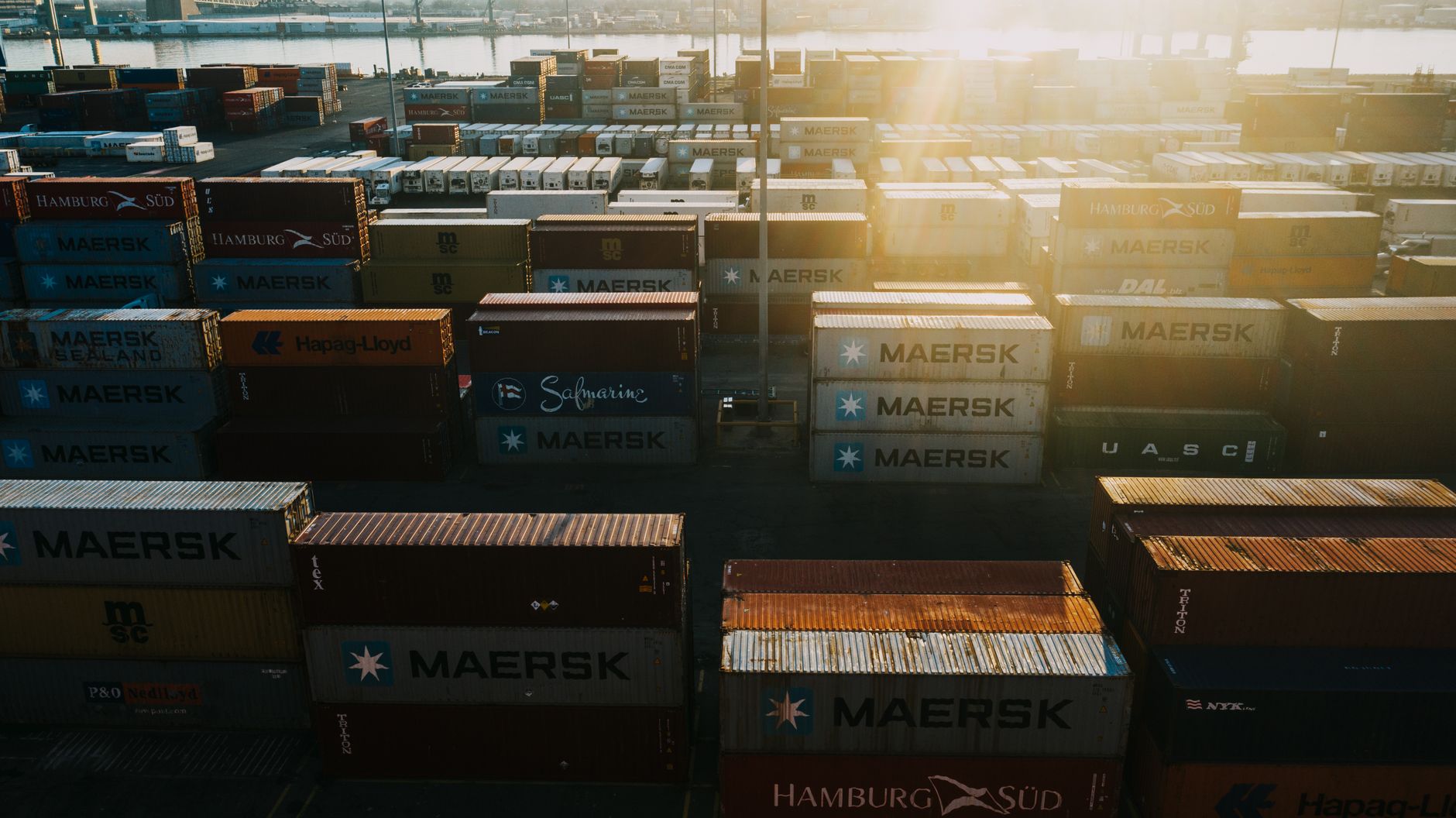
Container ship orders are making headlines as HMM invests $1.62 billion to expand its fleet capacity. This significant move highlights the growing demand in the logistics sector.
Overview of HMM’s investment
South Korea’s HMM has made a significant move in the shipping industry by placing an order for 12 container ships at a staggering cost of $1.62 billion. This investment is part of HMM’s broader strategy to enhance its fleet capacity and meet the growing demand for global shipping services. The new vessels are expected to be equipped with advanced technology aimed at improving fuel efficiency and reducing emissions, aligning with the industry’s shift toward sustainability.
With these container ship orders, HMM is positioning itself to capitalize on the increasing volume of trade and the need for larger, more efficient ships. Analysts suggest that this expansion could lead to a competitive edge in the market, allowing HMM to offer better services and potentially lower shipping costs for customers.
The company has indicated that these ships will be delivered between 2024 and 2026, marking a crucial phase in its growth strategy as it seeks to solidify its presence in the global shipping landscape.
Impact on global shipping
The recent surge in container ship orders has significant implications for global shipping. As companies like HMM invest heavily in expanding their fleets, the ripple effects are felt throughout the industry.
One major impact is the potential for increased shipping capacity, which can lead to greater efficiency in supply chains. These new vessels are designed to carry larger volumes of goods, ultimately reducing shipping costs per container. Furthermore, the increased availability of ships can help alleviate congestion at major ports, which has been a persistent issue.
However, there are also challenges. The rapid expansion of fleet capacity may lead to overcapacity in the market, driving down freight rates. This could impact smaller shipping lines and create a more competitive environment.
In summary, while the rise in container ship orders indicates growth and modernization in the shipping sector, it also poses risks that stakeholders must carefully navigate to ensure sustainable operations.
Details of the new container ships
HMM’s recent order of 12 container ships, valued at approximately $1.62 billion, highlights the company’s commitment to expanding its fleet capacity. These new vessels are designed to enhance efficiency and sustainability in global shipping.
Key details of the new container ships include:
- Size and Capacity: Each ship is expected to have a capacity of over 13,000 twenty-foot equivalent units (TEUs), allowing for significant cargo transportation.
- Technological Advancements: The ships will feature cutting-edge technology aimed at reducing fuel consumption and emissions, aligning with global environmental standards.
- Delivery Timeline: The deliveries are scheduled to begin in 2025, strategically positioning HMM to meet rising demand in the shipping industry.
- Investment in Innovation: The order reflects a broader trend in container ship orders, where companies are investing in modern fleets to maintain competitiveness.
Overall, HMM’s new container ships are set to bolster its operational capabilities, ultimately benefiting global shipping logistics.
Market trends in logistics
The logistics market has been experiencing significant shifts in recent years, largely driven by evolving consumer demands and technological advancements. As companies like HMM place substantial container ship orders, the implications for the industry are profound.
Several key trends are shaping the logistics landscape:
- Increased Demand for Capacity: With global trade expanding, the need for larger and more efficient vessels has surged. New container ship orders reflect this demand.
- Sustainability Concerns: Shipping companies are increasingly focused on eco-friendly solutions. Many new vessels incorporate green technologies, reducing carbon footprints.
- Technological Integration: Automation and enhanced tracking systems are becoming standard, streamlining operations and improving efficiency.
- Shifts in Trade Routes: The rise of e-commerce has led to changes in shipping patterns, prompting companies to adapt their fleets accordingly.
These trends highlight the dynamic nature of the logistics sector, as businesses strive to meet the challenges and opportunities presented by a rapidly changing market.
Benefits of expanding fleet capacity
As the demand for shipping continues to rise, the benefits of expanding fleet capacity through container ship orders become increasingly evident. First and foremost, a larger fleet allows shipping companies to enhance their operational efficiency. By increasing the number of vessels, companies can ensure quicker turnaround times and reduced delivery delays, which is crucial in today’s fast-paced market.
Moreover, expanding fleet capacity can result in economies of scale. Larger ships can carry more cargo at once, reducing the cost per unit for shipping, which can be passed on to customers in the form of lower prices. Additionally, modern container ships are often designed with fuel efficiency in mind, leading to lower operational costs and reduced environmental impact.
Finally, investing in new container ship orders positions companies competitively in the market. With a state-of-the-art fleet, they can meet the growing demands of global trade and adapt more readily to fluctuations in shipping volume.
Future of container shipping
The future of container shipping looks promising as companies like HMM continue to invest heavily in new vessels. With the recent order of 12 container ships for $1.62 billion, it is clear that the industry is adapting to meet increasing global demand. This expansion is not only about enhancing capacity but also about improving efficiency and sustainability.
As environmental regulations tighten, new container ship designs are incorporating green technologies, reducing emissions and fuel consumption. The shift towards more eco-friendly vessels could play a significant role in shaping market dynamics.
Moreover, the rise of e-commerce and changes in consumer behavior are prompting logistics companies to rethink their strategies. In light of this, container ship orders will likely focus on flexibility, allowing companies to respond swiftly to market demands.
In summary, the future of container shipping hinges on innovation and adaptability, with substantial investments in new orders expected to drive growth and transformation in the industry.
Photo by K on Pexels
Sources
Related stories
Gilead Sciences stock: Best proven performance hits all-time high · Marsh Q3 Earnings: The Best Metrics You Need to Know · Crypto ETFs Face Worst Breakdown Amid Bitcoin Risks