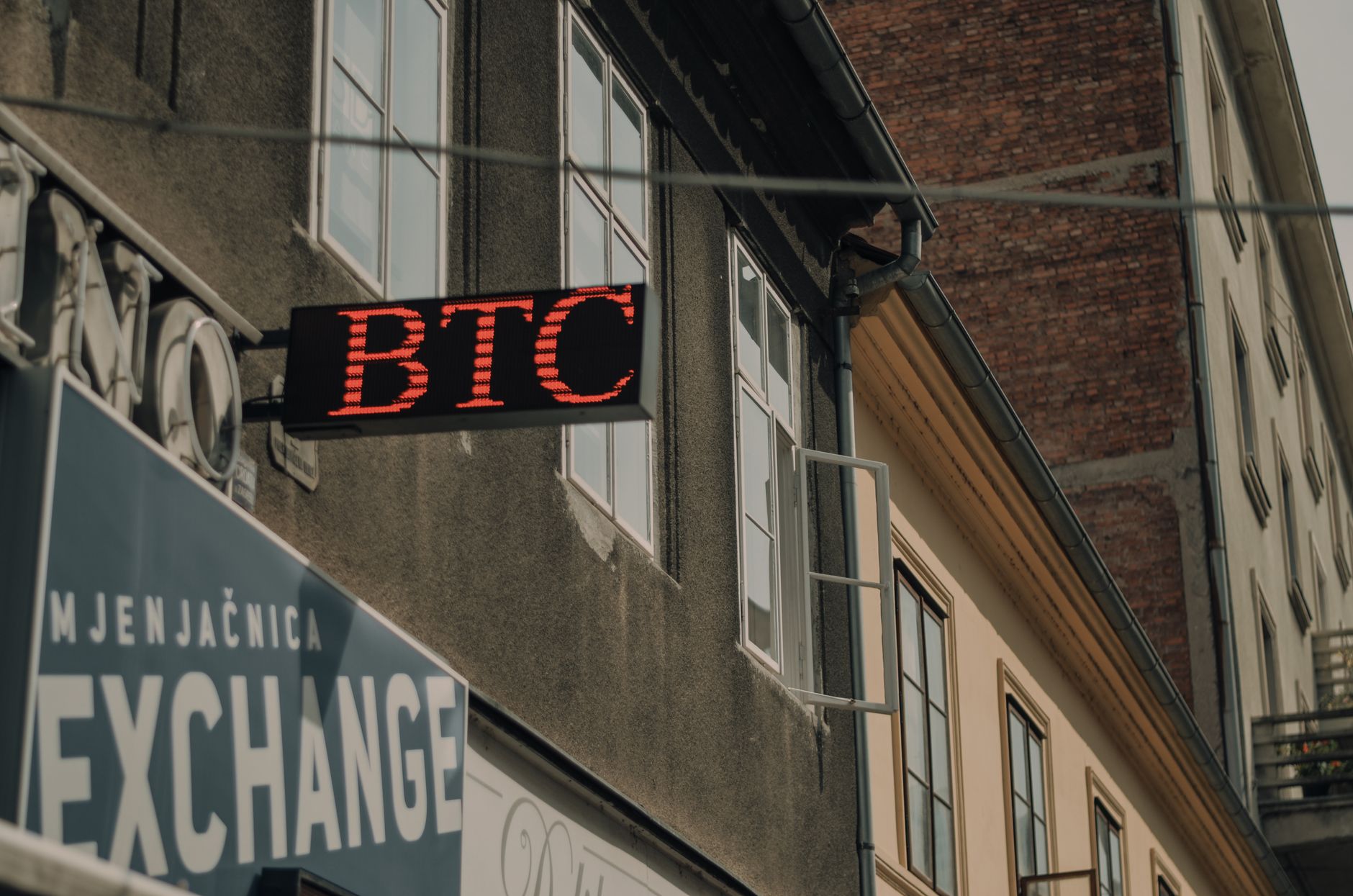
Russia crypto trading sanctions are becoming a significant concern as the country prepares for its regulated trading launch amidst fears of international repercussions.
Understanding the Regulatory Landscape
The regulatory landscape surrounding cryptocurrency trading in Russia has become increasingly complex, particularly in light of recent sanctions. As the country seeks to establish a regulated framework for crypto trading, concerns regarding compliance with international laws are rising.
Authorities are grappling with how to implement effective regulations while navigating the restrictions imposed by Western nations. These Russia crypto trading sanctions have created uncertainty for both domestic and foreign investors. The Russian government aims to create a safe environment for crypto transactions, yet the fear of further sanctions looms large.
Investors are now faced with a dual challenge: understanding the evolving regulations and assessing the risks associated with potential sanctions. The following factors contribute to this complex environment:
- Regulatory Uncertainty: The legal status of cryptocurrencies remains ambiguous, leading to hesitance among potential investors.
- International Relations: Ongoing geopolitical tensions impact Russia’s ability to engage with global markets.
- Compliance Risks: Investors may inadvertently violate sanctions, resulting in severe penalties.
As Russia moves forward with its crypto trading initiatives, the interplay between regulation and sanctions will be critical in shaping the future of the market.
Impact of Sanctions on Crypto Trading
The recent sanctions imposed on Russia have cast a long shadow over the nation’s crypto trading landscape. As investors scramble to navigate these new regulations, the implications for the market are profound. The Russia crypto trading sanctions have created uncertainty, compelling many traders to reassess their strategies and investments.
One of the most significant impacts of these sanctions is the disruption of established trading platforms. Many exchanges are hesitant to engage with Russian entities, fearing repercussions from international governing bodies. As a result, liquidity has diminished, making it challenging for investors to execute trades without significant delays or losses.
Moreover, the sanctions have led to a surge in regulatory scrutiny. Investors now face the risk of compliance issues, which could lead to penalties or the freezing of assets. This environment has fostered a sense of caution among potential investors, dampening enthusiasm for new projects and reducing overall market participation.
In addition, the sanctions have heightened the appeal of decentralized finance (DeFi) solutions. Many investors are exploring alternative avenues to bypass traditional trading methods, seeking refuge from regulatory challenges. As these dynamics continue to unfold, the long-term consequences of the sanctions on the Russian crypto market remain to be seen.
What Investors Need to Know
As Russia continues to navigate the complexities of international sanctions, investors need to stay informed about the implications of these restrictions on crypto trading. The landscape is evolving rapidly, and understanding the potential risks is crucial for anyone involved in digital currencies.
Here are some key points for investors to consider:
- Increased Regulatory Scrutiny: Russia’s crypto trading landscape is under heightened scrutiny due to sanctions, which may lead to stricter regulations and compliance requirements.
- Market Volatility: The threat of sanctions can lead to increased volatility in the crypto markets, affecting asset prices and investor confidence.
- Access to Exchanges: Investors may face limitations in accessing certain exchanges, particularly those that are not compliant with international regulations or are based outside of Russia.
- Potential Legal Risks: Engaging in crypto trading under the current sanctions environment carries legal risks, including penalties for non-compliance with regulations.
- Long-term Outlook: Investors should consider the long-term implications of these sanctions on the crypto market in Russia and how it may affect their investment strategies.
Being aware of these factors can help investors make more informed decisions amid the evolving landscape of Russia crypto trading sanctions.
Future of Crypto in Russia
The future of crypto in Russia remains uncertain as the ongoing Russia crypto trading sanctions continue to shape the landscape for investors and traders alike. With the government attempting to regulate the burgeoning digital asset market, there are significant challenges that could hinder growth and innovation.
Despite the potential for a regulated crypto environment, several factors could impede progress:
- Regulatory Uncertainty: The lack of clear guidelines may deter both domestic and foreign investors, leading to decreased participation in Russian crypto markets.
- International Isolation: As sanctions become more stringent, Russia risks further isolation from the global financial system, limiting access to crucial resources and partnerships.
- Investor Confidence: Ongoing geopolitical tensions and fears of regulatory crackdowns may lead to a decline in investor confidence, prompting many to withdraw their investments.
Ultimately, the trajectory of crypto trading in Russia will depend on how effectively the government addresses these challenges. If it can establish a transparent regulatory framework while navigating international sanctions, the country may still harness the potential of blockchain technology and digital currencies.
Expert Opinions on Trading Risks
As the landscape of cryptocurrency trading evolves in Russia, experts are voicing concerns about the significant risks tied to the current sanctions regime. Many analysts believe that the Russia crypto trading sanctions could deter both domestic and international investors from engaging in the market.
According to financial analyst Ivan Petrov, “The regulatory uncertainty surrounding crypto trading in Russia can lead to severe volatility. Investors should be prepared for unpredictable swings in value, especially with sanctions influencing market sentiment.”
Economist Maria Sokolova adds, “The potential for further sanctions means that investors could face liquidity issues. If major exchanges refuse to transact with Russian entities due to fear of penalties, it will hinder trading options and reduce market confidence.”
Furthermore, legal expert Alexei Kuznetsov warns that “the implications of these sanctions extend beyond immediate financial loss; they pose a long-term threat to the development of a stable crypto environment in Russia.”
Investors are advised to approach the market with caution, ensuring they remain informed about both the domestic regulations and international pressures that may impact their investments. With the stakes high, strategic planning and risk management are crucial for navigating these turbulent waters.
The Russia crypto trading sanctions have significantly limited the options available to investors seeking to diversify their portfolios. As a result, many are grappling with the financial repercussions of the Russia crypto trading sanctions on their investments.
Photo by Melvin Silva on Pexels