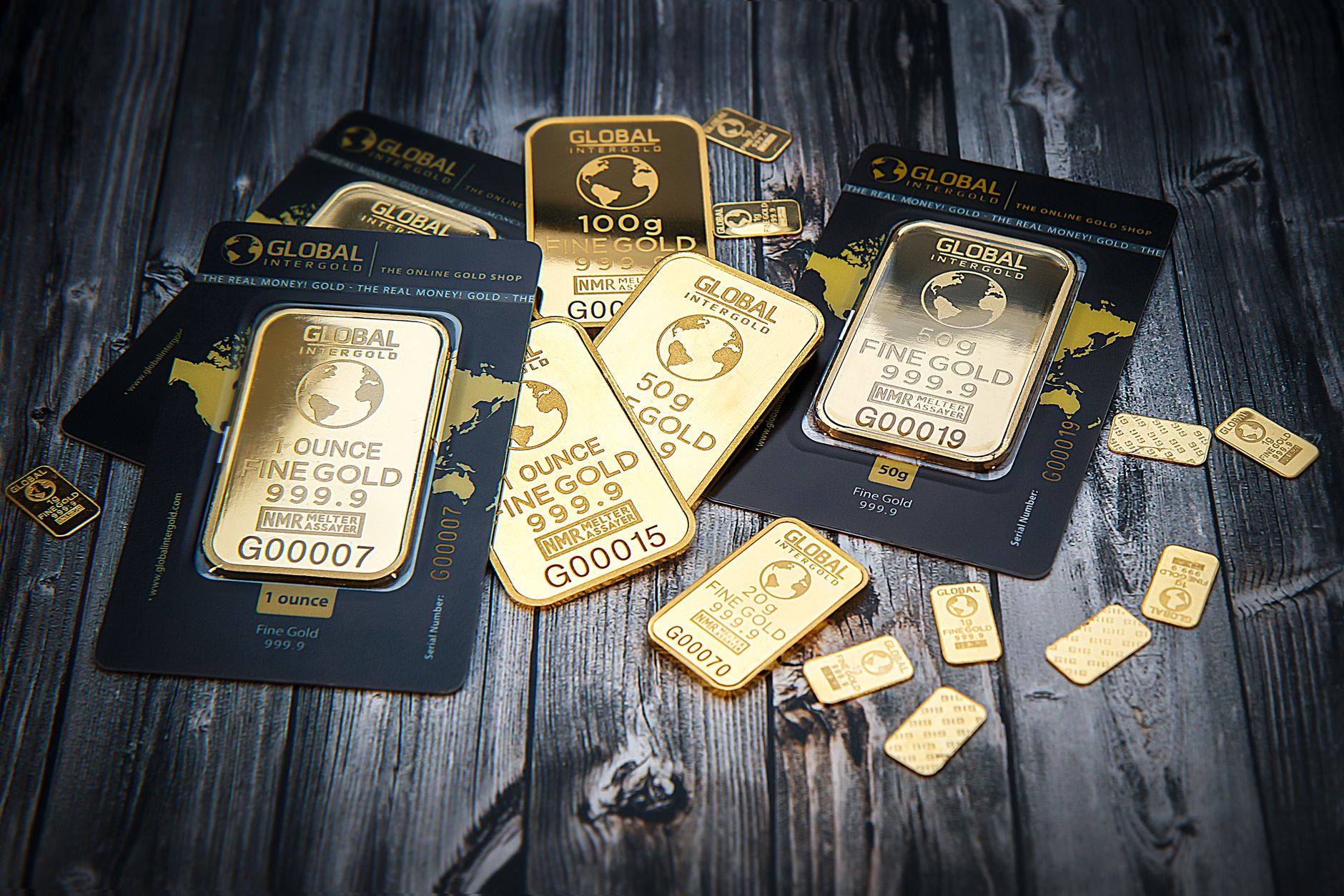
Gold prices dip, raising questions among investors. This article explores the reasons behind the recent decline and what experts predict moving forward.
Reasons Behind the Gold Prices Dip
The recent dip in gold prices has left many investors questioning the market’s direction. Several factors contribute to this decline, prompting analysts to reassess their forecasts. Here are some key reasons behind the gold prices dip:
- Strengthening Dollar: A robust U.S. dollar often leads to lower gold prices, as gold becomes more expensive for foreign investors. The current economic indicators suggest a strong dollar, impacting gold’s appeal.
- Rising Interest Rates: Central banks, particularly the Federal Reserve, have indicated a potential rise in interest rates. Higher rates increase the opportunity cost of holding non-yielding assets like gold, pushing prices down.
- Market Sentiment: Investor sentiment plays a crucial role in gold pricing. Recently, a shift towards equities and other investment vehicles has seen a reduction in demand for gold as a safe-haven asset.
- Global Economic Recovery: As economies recover from the pandemic, demand for gold in jewelry and industrial applications has not rebounded as expected. This slow recovery contributes to the ongoing dip.
As these factors unfold, the future of gold prices remains uncertain, with analysts urging caution. Investors are encouraged to keep a close eye on economic developments that may influence market trends.
Expert Forecasts on Future Trends
As gold prices dip, experts are analyzing potential future trends that could impact the market. Various factors are expected to play a significant role in shaping the direction of gold prices in the coming months.
Firstly, many analysts suggest that economic indicators such as inflation rates and interest rates will heavily influence gold’s value. Higher interest rates generally lead to lower gold prices, as investors often turn to interest-bearing assets. Conversely, a potential increase in inflation could make gold more appealing as a safe-haven asset.
Another critical factor is global geopolitical stability. In times of uncertainty, investors typically flock to gold, which can drive prices higher. Recent tensions in various regions may create volatility, prompting some experts to anticipate a rebound in gold prices if these situations escalate.
Additionally, the demand for gold jewelry and industrial applications remains robust, particularly in emerging markets. Economic growth in countries like India and China could bolster demand, offering support against further declines as gold prices dip.
- Economic indicators impacting gold prices
- Geopolitical stability and its influence
- Demand from jewelry and industrial sectors
Overall, while the current dip in prices raises concerns, many analysts remain cautiously optimistic about gold’s long-term prospects.
Impact of Global Markets on Gold
The recent dip in gold prices has been significantly influenced by various factors in the global markets. Analysts have observed that fluctuations in major stock indexes often correlate with movements in gold values. As investor confidence in equities rises, the demand for gold tends to decrease, leading to lower prices.
Another critical aspect is the strength of the US dollar. When the dollar strengthens against other currencies, gold becomes more expensive for foreign investors, resulting in reduced demand. This dynamic contributes to the overall trend of gold prices dip as traders seek better investment opportunities in stronger currencies.
Additionally, geopolitical tensions and economic uncertainty play a crucial role. For instance, recent developments in international trade agreements or political unrest can lead to sudden surges in gold demand as a safe-haven asset. However, as stability returns, prices often fall back in response to reduced fear and uncertainty.
Market experts suggest that investors should keep a close watch on economic indicators such as inflation rates and interest rates, which also have a profound impact on gold valuations. With ongoing fluctuations in these areas, the gold market remains volatile, making it essential for investors to stay informed about the factors driving the gold prices dip.
Investor Reactions to Price Changes
As gold prices dip, investors are reassessing their strategies in light of the recent market fluctuations. Many are expressing concern about the sustainability of their investments, prompting a shift in sentiment across various sectors.
Investor reactions can be categorized into several key trends:
- Increased Caution: A notable number of investors are adopting a more cautious approach, opting to hold off on new purchases until they see clearer signs of stability in the market.
- Diversification Strategies: Some are turning to diversification, investing in alternative assets such as stocks or real estate to mitigate risks associated with the dip in gold prices.
- Long-term Outlook: Long-term investors remain optimistic, viewing the current dip as a temporary setback. They believe that gold will eventually rebound, driven by ongoing economic uncertainties.
- Short Selling: A few investors are even exploring short selling opportunities, betting that gold prices may decline further in the near term.
Overall, the reactions to the dip in gold prices reflect a complex landscape where investors balance caution with opportunity. As market dynamics continue to evolve, staying informed will be crucial for making smart investment decisions.
As analysts examine market trends, they note that gold prices dip due to a stronger dollar and rising interest rates. Understanding why gold prices dip can help investors make informed decisions in the current economic climate.
Photo by Michael Steinberg on Pexels