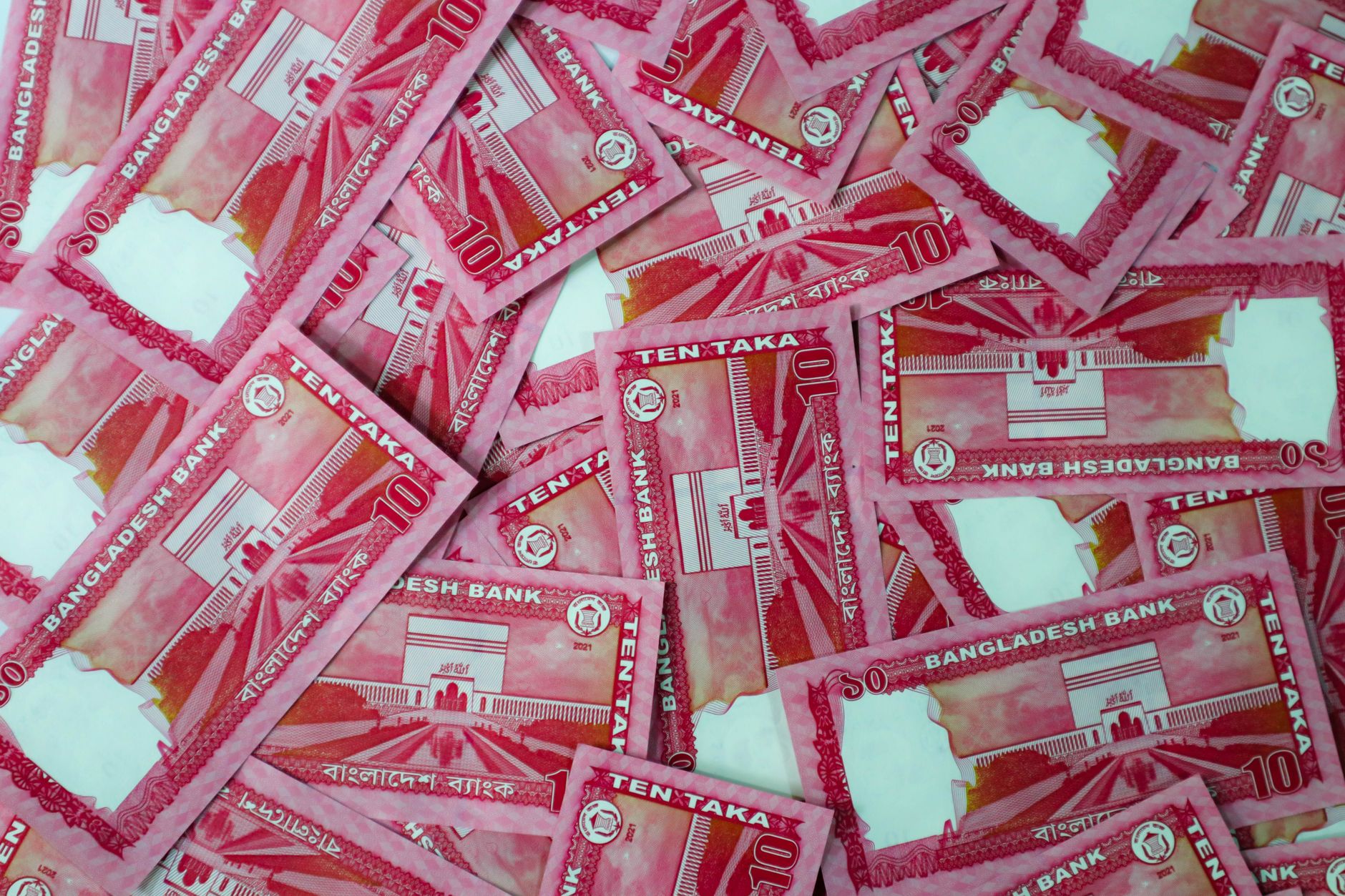
Bangladesh Bank policy rate remains unchanged, a decision that has sparked discussions among economists and financial analysts regarding its implications for the economy.
Overview of Bangladesh Bank’s Decision
The Bangladesh Bank has decided to keep its policy rate unchanged, following a thorough assessment of the current economic climate. This decision has sparked discussions among economists and market analysts regarding the implications for inflation and economic growth.
By maintaining the policy rate, the central bank aims to balance the need for economic stability with the pressures of rising prices. Analysts had anticipated this move, citing the ongoing challenges posed by global economic uncertainties.
Some key points related to the Bangladesh Bank’s decision include:
- The unchanged policy rate is seen as a signal of cautious optimism amidst fluctuating economic conditions.
- Inflation continues to be a major concern, with food prices contributing significantly to the rising cost of living.
- Market participants are closely monitoring the central bank’s next steps, especially in light of external economic pressures.
As the situation unfolds, the implications of the Bangladesh Bank’s policy rate decision will likely be a focal point in discussions about the nation’s economic trajectory and financial health.
Impact of Unchanged Policy Rate
The decision by Bangladesh Bank to maintain the current policy rate has sparked a range of reactions among economists and market analysts. Many experts believe that keeping the policy rate unchanged could have significant implications for inflation and economic growth.
Some key impacts of this decision include:
- Inflation Control: By not altering the policy rate, Bangladesh Bank aims to stabilize prices, particularly in essential commodities. However, critics argue that failing to increase rates may allow inflation to persist.
- Investment Climate: The unchanged policy rate may encourage businesses to invest, as borrowing costs remain predictable. This could potentially stimulate economic activities in various sectors.
- Foreign Exchange Stability: Analysts suggest that maintaining the policy rate may help stabilize the local currency against foreign currencies, which is essential for trade.
- Public Confidence: The decision reflects a cautious approach, which might bolster public confidence in the central bank’s commitment to economic stability.
Overall, while the unchanged Bangladesh Bank policy rate is intended to support growth, it raises questions about the effectiveness of current monetary policies in addressing ongoing economic challenges.
Expert Opinions on Monetary Policy
Economists and financial analysts have expressed mixed reactions to the recent decision by Bangladesh Bank to maintain its policy rate. While some experts commend the stability this move provides to the financial market, others raise concerns regarding its long-term implications.
Dr. Ayesha Rahman, an economist at a leading research institute, emphasized the need for a more aggressive stance. She stated, “Keeping the policy rate unchanged could hinder economic growth, especially in a time when inflationary pressures are mounting.” In her view, a proactive approach is essential to foster investment and consumer spending.
Conversely, Mr. Hasan Chowdhury, a financial analyst, argued that the decision reflects a cautious approach by the Bangladesh Bank. He remarked, “The unchanged policy rate signals a commitment to economic stability, which is crucial amidst global uncertainties.” He believes that this decision will help maintain market confidence and encourage foreign investment.
As discussions continue, the implications of the Bangladesh Bank policy rate remain a topic of intense debate among stakeholders, with many urging the central bank to be vigilant in monitoring economic indicators moving forward.
Historical Context of Policy Rates
The historical context of policy rates in Bangladesh reveals a pattern of adjustments aimed at navigating economic challenges. Over the past decade, the Bangladesh Bank has frequently altered its policy rate in response to inflationary pressures and changing economic conditions.
Since 2015, the central bank has gradually lowered the policy rate to stimulate growth, reaching a record low of 4.0% in 2020 in the wake of the COVID-19 pandemic. This decision aimed to encourage borrowing and investment during a time of economic uncertainty. However, as the economy began to recover, concerns over rising inflation led to cautious discussions regarding future adjustments.
In recent months, the Bangladesh Bank has faced mounting pressure to reassess its stance on the policy rate. Inflation rates have surged, prompting questions about the effectiveness of the current monetary policy framework. The decision to maintain the unchanged policy rate reflects the Bank’s attempt to balance growth with inflation control.
The complexities of the economic landscape in Bangladesh underscore the challenges faced by the Bangladesh Bank, as it navigates the delicate interplay between stimulating growth and curbing inflation in its monetary policy decisions.
Future Projections for Bangladesh Economy
The decision by Bangladesh Bank to keep the policy rate unchanged has led to various projections regarding the future of the country’s economy. Analysts are now questioning how this stability will affect inflation and economic growth in the coming months.
Many experts believe that the current policy rate will maintain its role in stabilizing prices, but concerns remain about external factors such as global economic trends and commodity prices. Some key projections include:
- Inflation Trends: Economists anticipate that inflation may continue to rise if external pressures remain unmitigated, potentially challenging the Bank’s objectives.
- Economic Growth: Growth forecasts could be affected, with a cautious outlook expected for key sectors such as manufacturing and exports.
- Investment Climate: The unchanged policy rate may influence foreign investment decisions, as investors weigh the risks associated with economic stability.
In conclusion, the future projections for the Bangladesh economy remain cautious but hopeful, with the unchanged Bangladesh Bank policy rate serving as a crucial factor in determining the country’s economic trajectory.
Comparative Analysis with Regional Banks
The decision by Bangladesh Bank to maintain the policy rate has drawn attention, particularly when compared to the actions of regional banks. In recent months, several countries in South Asia have adjusted their monetary policies in response to changing economic conditions. For instance, the Reserve Bank of India raised its policy rate to combat inflation, while the State Bank of Pakistan opted for a similar adjustment to stabilize its currency.
In contrast, Bangladesh Bank’s decision to keep the policy rate unchanged raises questions about its approach to managing economic challenges. Economists argue that this divergence could impact investor confidence, as regional counterparts actively adapt their strategies to address inflationary pressures and currency fluctuations.
Furthermore, the comparative analysis indicates that while Bangladesh Bank maintains a cautious stance, neighboring countries are taking decisive measures. This could lead to a reevaluation of Bangladesh’s monetary policy framework in the coming months. The effectiveness of the unchanged policy rate will depend on external economic factors and the domestic inflationary landscape.
As the regional economic environment continues to evolve, the implications of Bangladesh Bank’s policy rate decision will be closely monitored by analysts and investors alike.
Public Reaction to the Announcement
The decision by Bangladesh Bank to keep the policy rate unchanged has sparked a wave of public reaction across various sectors. Many individuals and businesses have expressed a mix of concern and relief regarding the implications of this announcement.
Some citizens feel that maintaining the current policy rate will help stabilize the economy during uncertain times. A local business owner stated, “This decision gives us some breathing room, allowing us to plan our investments without the fear of rising interest rates.” However, others are less optimistic, voicing fears that the unchanged policy rate may hinder economic growth.
- Concern over inflation: Many worry that the stagnation in the policy rate could lead to higher inflation in the coming months.
- Impact on loans: Some borrowers are anxious, as a stable rate could mean prolonged periods of higher loan costs.
- Public confidence: There are questions about the central bank’s strategy, with some calling for more aggressive measures.
As the discussions continue, it remains to be seen how the Bangladesh Bank’s policy rate decision will influence the overall economic climate and public sentiment in the near future.
The decision to maintain the Bangladesh Bank policy rate has sparked debates among economists regarding its impact on inflation and economic growth. Many experts are now questioning whether the current Bangladesh Bank policy rate is adequate to address the challenges faced by the financial sector.
Photo by Shamim Hossain on Pexels