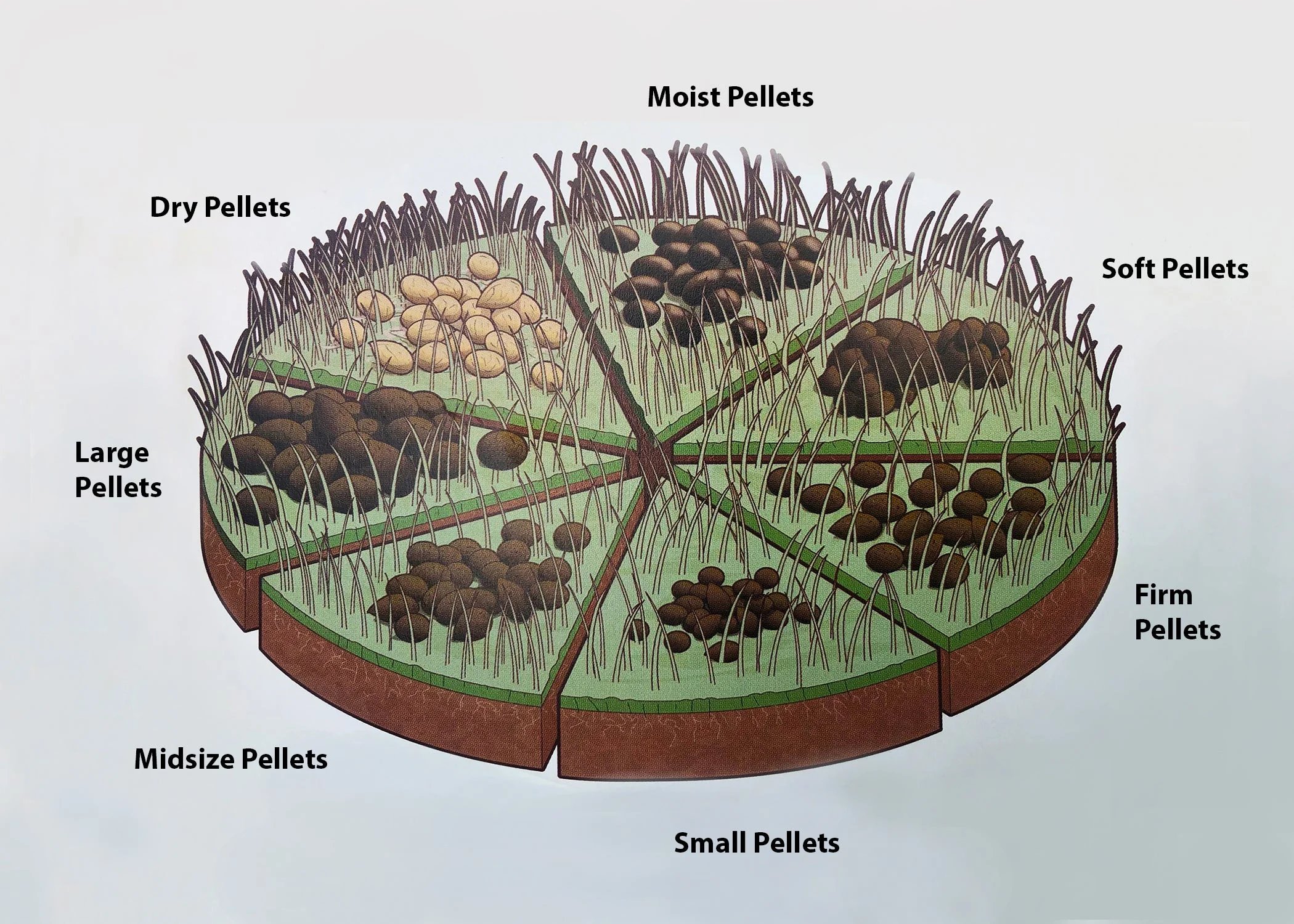
What does deer poop look like? Picture small, oval droppings scattered in your backyard. A snapshot of nature’s presence. Their size may surprise you—similar to a jelly bean. Fresh deer scat is moist and dark, but as it ages, it turns lighter and drier. Remember, spotting deer droppings means these graceful creatures have visited. Keep reading to learn more about identifying deer poop!

Discovering Deer Poop: What Does It Look Like?
Have you ever been out exploring in the woods and stumbled upon some mysterious droppings? If you’re wondering what those might be, there’s a chance it could be deer poop! It may not be the most glamorous topic, but understanding what deer poop looks like can tell us a lot about these majestic creatures and their habitats.
Identifying Deer Poop
Deer poop, also known as scat, can vary in appearance depending on a few factors. One of the key characteristics of deer poop is its shape and size. Typically, deer droppings resemble small pellets or beans and are often clustered together in piles. The color can range from dark brown to black, depending on what the deer has been eating.
When you come across deer poop, you might notice a shiny appearance from the mucus coating that helps the deer eliminate waste more easily. The texture can be somewhat smooth and moist when fresh, but it dries out and hardens over time.
Understanding Deer Diets
Deer are herbivores, which means they primarily feed on plant-based foods like grass, leaves, fruits, and nuts. This diet directly influences the appearance of their poop. For example, if a deer has been munching on green vegetation, their scat might be a lighter shade of brown and contain bits of plants.
During certain seasons, deer may also consume fungi, acorns, or other food sources that could impact the color and texture of their droppings. By observing deer poop, scientists and wildlife enthusiasts can learn more about the deer’s diet and behavior in a specific area.
Deer Scat vs. Other Animal Droppings
It’s essential to be able to distinguish deer poop from other types of animal droppings you might encounter in the wild. While deer scat is usually found in small, oval-shaped pellets, other animals like rabbits, squirrels, and birds may leave behind droppings that differ in size, shape, and color.
Rabbit droppings, for instance, are much smaller and rounder in shape compared to deer pellets. Squirrel droppings tend to be elongated and cylindrical, often found near trees or on branches. By learning to identify these differences, you can become an expert at recognizing the various animals that call the forest home.
The Role of Deer Poop in Ecosystems
Deer poop plays a vital role in maintaining the balance of ecosystems. As deer graze on vegetation, they help disperse seeds through their droppings, aiding in the growth of new plants and trees. The nutrients in deer scat also enrich the soil, promoting healthy plant growth and supporting other wildlife species in the area.
By studying deer poop, researchers can gain insights into the health of an ecosystem and monitor changes in deer populations over time. Understanding the impact of deer on their surroundings helps conservationists make informed decisions about managing wildlife habitats and protecting biodiversity.
Tracking Deer Through Their Poop
One fascinating aspect of deer scat is that it can provide valuable information about the animals themselves. Wildlife biologists often use scat as a way to track deer movements, estimate population sizes, and study their behavior patterns. By analyzing the contents of deer droppings, researchers can determine what the deer have been eating and how healthy they are.
In addition to scientific studies, hunters and wildlife enthusiasts can also use deer poop to their advantage. By identifying fresh droppings in an area, hunters can estimate when deer were last in the vicinity and adjust their hunting strategies accordingly. Learning to read the signs left behind by deer can improve your chances of spotting them in the wild.
Next time you’re out exploring nature, keep an eye out for deer poop along the trails. By understanding what deer poop looks like and how it can provide valuable insights into the lives of these graceful animals, you’ll develop a deeper appreciation for the wonders of the natural world. Remember, deer scat may not be the most glamorous topic, but it’s a crucial part of the web of life in the forest!
So, the next time you spot some small, oval-shaped pellets on the ground, take a moment to appreciate the role that deer play in the ecosystem and the beauty of nature’s cycle. Happy exploring!
The Scoop on Deer POOP !!
Frequently Asked Questions
How can I identify deer scat in the wild?
Deer poop, also known as scat, typically resembles small, round pellets. The size can vary based on the age and diet of the deer. Fresh scat will be moist and dark in color, but it dries out over time to a lighter shade. Look for scattered piles of pellets on the ground, often clustered in areas where deer feed or rest.
Is there a distinct odor associated with deer scat?
Deer scat usually does not have a strong odor. Because deer have a diet primarily consisting of plants and vegetation, their droppings tend to be relatively odorless compared to carnivorous animals. However, in certain conditions and with time, a faint earthy smell may develop.
What does the color of deer poop indicate?
The color of deer scat can provide some insights. Fresh deer droppings are darker, almost black, due to the moisture content. As the scat dries out, it lightens in color, turning shades of brown. The color change can help estimate how long ago the deer passed by the area.
Final Thoughts
In conclusion, deer poop is typically small, round pellets that are dark brown in color. It often resembles raisins in shape and size. Being a crucial indication of deer presence, knowing what does deer poop look like can help hunters locate potential hunting grounds. Remember, identifying deer droppings accurately can significantly contribute to a successful hunting experience.