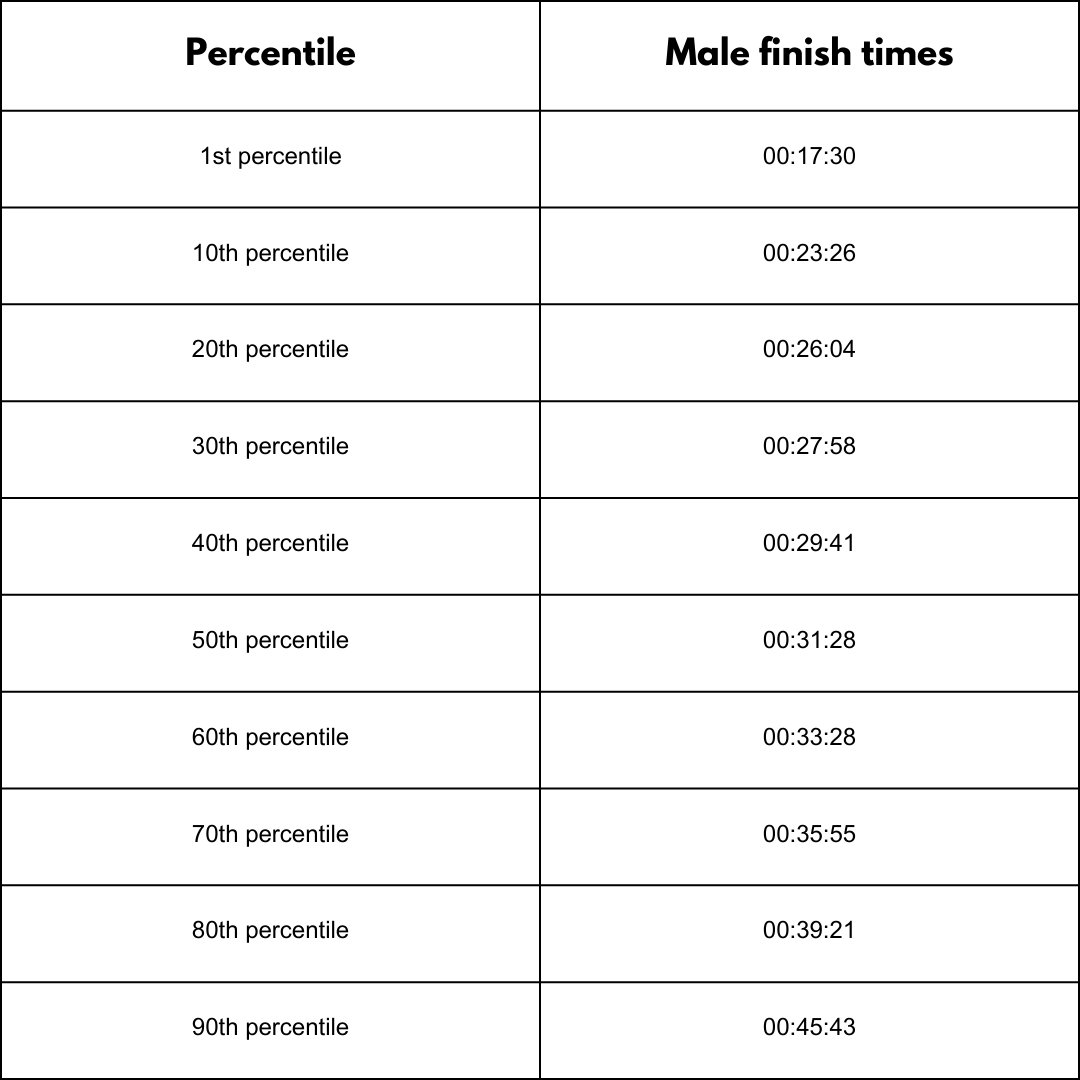
The average human running speed varies depending on factors like age, fitness level, and training. Generally, adults can sprint at speeds of 8-10 miles per hour. However, elite runners can hit impressive speeds of over 12 miles per hour. Whether you’re a casual jogger or a seasoned athlete, understanding the average human running speed can offer valuable insights into improving your performance. Let’s delve into the mechanics and factors influencing this fundamental aspect of human locomotion.

The Fascinating World of Average Human Running Speed
Welcome, young runners and curious minds, to the exciting realm of human speed! Have you ever wondered how fast the average person can run? How does running speed vary from person to person? Let’s lace up our imaginary sneakers and embark on a thrilling journey to explore the fascinating topic of average human running speed.
What is Average Human Running Speed?
Before we dive into the details, let’s understand what we mean by ‘average human running speed.’ When we talk about running speed, we are referring to how fast a person can move their legs to travel a certain distance in a specific amount of time. Running speed is often measured in miles per hour (mph) or kilometers per hour (km/h).
Now, let’s imagine a scenario. Picture yourself running in a race with your friends. As you sprint towards the finish line, you might be curious to know if your speed is considered average compared to others. Well, the average human running speed can vary based on several factors, such as age, fitness level, and training.
Factors Influencing Running Speed
Have you ever noticed that some people seem to zoom past you effortlessly while running, while others prefer a more leisurely pace? Let’s explore the factors that influence running speed:
1. Genetics
Our genes play a significant role in determining our running abilities. Some people are born with a natural talent for running, while others may need to work harder to improve their speed. Genetics can influence factors like muscle composition, lung capacity, and overall body structure, all of which impact running speed.
2. Training and Practice
Practice makes perfect, right? The more you train and practice running, the faster and stronger you can become. Athletes and runners often engage in specific training routines to improve their speed, endurance, and agility. Consistent practice can help individuals enhance their running speed over time.
3. Age and Fitness Level
As we grow older, our bodies undergo changes that can affect our running capabilities. Younger individuals tend to have higher running speeds compared to older adults. Additionally, maintaining a good level of fitness through regular exercise can positively impact running speed at any age.
Exploring Different Running Speeds
Now that we understand the factors influencing running speed, let’s take a closer look at the different types of running speeds that people can achieve:
1. Jogging
Have you ever gone for a light jog around the park? Jogging is a form of running that is slower than sprinting but faster than walking. It’s a great way to improve cardiovascular health and build endurance. The average jogging speed for most adults ranges between 4 to 6 miles per hour.
2. Sprinting
Imagine racing against your friends in a sprint competition. Sprinting involves running at your maximum speed over a short distance. Professional sprinters can reach incredible speeds, sometimes exceeding 20 miles per hour! While not everyone can sprint that fast, practicing can help improve your sprinting abilities.
3. Marathon Running
Marathons are long-distance running events that test a runner’s endurance and stamina. Participants in marathons aim to complete a 26.2-mile course, showcasing not just speed but also mental strength. The average speed for marathon runners can vary greatly, with elite athletes maintaining speeds close to 12 miles per hour.
Improving Your Running Speed
Feeling inspired to enhance your own running speed? Here are some tips to help you become a faster and stronger runner:
1. Warm-Up and Stretch
Before starting any run, it’s essential to warm up your muscles and stretch to prevent injuries. A proper warm-up can also prepare your body for the effort ahead and help improve your overall performance.
2. Interval Training
Try incorporating interval training into your running routine. This involves alternating between short bursts of high-speed running and moderate-paced jogging or walking. Interval training can help increase your speed and endurance over time.
3. Strength Training
Building strength in your leg muscles can significantly impact your running speed. Exercises like squats, lunges, and calf raises can help improve your running efficiency and power. Remember, a strong foundation leads to faster strides!
4. Stay Consistent and Patient
Improving your running speed takes time and dedication. Stay consistent with your training, set achievable goals, and be patient with your progress. Celebrate small victories along the way, and remember that every step forward counts.
The Thrill of the Run
Running is not just about speed; it’s about the joy of movement, the thrill of the wind against your face, and the sense of freedom that comes with each stride. Whether you’re a seasoned athlete or just starting your running journey, remember that every step you take is a step towards a healthier, stronger you.
So, the next time you lace up your shoes and hit the pavement, think about the incredible potential within you. Embrace the challenge, enjoy the journey, and let your feet carry you to new horizons. Who knows? Maybe one day, you’ll surprise yourself with your own record-breaking speed!
Keep running, keep dreaming, and keep exploring the amazing world of human running speed. The possibilities are endless, and the finish line is just the beginning of a new adventure.
Happy running!
Usain Bolt vs 100 Humans
Frequently Asked Questions
What is the average human running speed?
The average human running speed varies, but a typical range for adults is between 8 to 15 miles per hour (12.8 to 24 kilometers per hour). Factors like age, fitness level, and terrain can affect an individual’s running speed.
How does training impact a person’s running speed?
Regular training can significantly improve a person’s running speed. By incorporating speed workouts, endurance runs, and strength training into a routine, individuals can enhance their overall fitness and increase their running speed over time.
What are some tips to increase one’s running speed?
To improve running speed, individuals can focus on incorporating interval training, proper running form, strength training exercises like squats and lunges, and ensuring adequate rest and recovery between workouts. Consistency in training and gradual progression are key to enhancing running speed.
Final Thoughts
The average human running speed varies based on factors like age, fitness level, and terrain. However, studies show that the average speed for adults is around 8.6 miles per hour. This speed may decrease with age or lack of training. It is important to remember that individual capabilities and goals play a significant role in determining one’s running speed. Regular training and proper technique can help improve and maintain the average human running speed.